Achieving Optimal Heater Control with Advanced PID Controllers
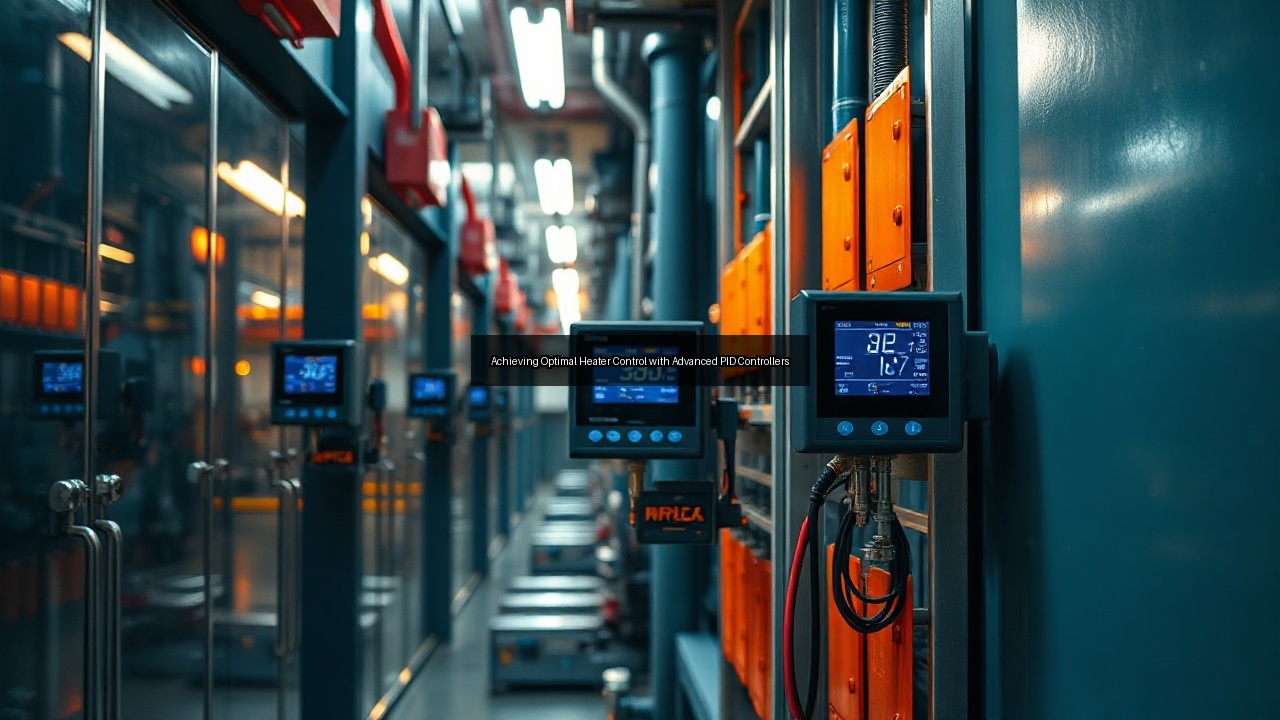
Understanding PID Control in Heater Management
What is PID Control?
PID control, an acronym for Proportional-Integral-Derivative control, represents a foundational technique in industrial automation and process control. PID controllers adjust the output of a system to minimize the difference between a desired setpoint and the process variable, which in heater management is typically temperature. The proportional component responds to the current error, the integral component addresses past errors, and the derivative component predicts future errors. This combination allows for precise and stable control of heating systems, ensuring that temperature remains within desired limits. In industries ranging from food processing to chemical manufacturing, PID control is essential for maintaining optimal operating conditions.
The Role of PID Controllers in Temperature Regulation
PID controllers play a crucial role in temperature regulation by continuously calculating the error between the desired temperature and the actual temperature readings. By using feedback loops, these controllers adjust the heater's output in real-time, which is vital for processes that require strict temperature control. The ability of PID controllers to respond quickly to changes in temperature ensures that processes remain stable, avoiding overshooting or oscillations. In applications where precision is paramount, such as semiconductor manufacturing, the effectiveness of PID controllers directly impacts product quality and operational efficiency.
Benefits of Using PID Controllers for Heater Control
Utilizing PID controllers in heater control offers numerous benefits. These controllers provide improved accuracy and stability, enhancing process efficiency. Their ability to handle disturbances and maintain a set temperature minimizes energy consumption, leading to cost savings. PID controllers can also be integrated with various communication protocols like RS-485 and Modbus, enabling remote monitoring and control. This integration simplifies the management of multiple heating units, particularly in large industrial settings. The adaptability of PID controllers to different types of heating applications, whether through DIN-rail or panel-mount installations, further establishes their value in achieving optimal performance in temperature management.
Key Components of Process Temperature Controllers
Types of Sensors: Thermocouples and Infrared Technologies
Temperature measurement relies heavily on sensors, with thermocouples and infrared technologies being the most commonly used in process temperature controllers. Thermocouples are versatile, capable of measuring a wide temperature range and providing quick responses to changes. Their simplicity and durability make them ideal for various industrial applications. Infrared sensors offer the advantage of non-contact measurement, allowing for quick and accurate readings without interfering with the process. This capability is particularly beneficial in high-speed processes where traditional sensors may be too slow. The choice between these sensors depends on application requirements, including the required precision, response time, and environmental conditions.
Communication Protocols: RS-485 and Modbus Explained
Communication protocols like RS-485 and Modbus facilitate the seamless exchange of data between process temperature controllers and other devices. RS-485 supports PID controller options long-distance communication, making it suitable for large industrial setups. It allows multiple devices to connect on a single network, enhancing overall system efficiency. Modbus, a widely adopted communication protocol for industrial applications, enables devices from different manufacturers to communicate effectively. This interoperability is crucial in process controls, allowing for centralized monitoring and management. Implementing these protocols not only improves data accuracy but also simplifies system integration, leading to enhanced automation of heating processes.
Importance of Calibration for Accurate Temperature Measurement
Calibration plays a vital role in ensuring accurate temperature measurement in process temperature controllers. Without proper calibration, even the best sensors can yield erroneous readings, leading to suboptimal heating performance. Regular calibration checks align the controller's output with actual temperature measurements, maintaining precision. This process can involve comparing sensor readings with known standards and making necessary adjustments. The need for calibration becomes even more critical in environments with fluctuating conditions, such as varying humidity and pressure. Implementing a robust calibration schedule not only improves measurement accuracy but also extends the lifespan of heating equipment, ultimately enhancing operational reliability.
Selecting the Right Process Temperature Controller
Choosing Between DIN-Rail and Panel-Mount Controllers
Selecting the appropriate mounting style for process temperature controllers significantly impacts installation and usability. DIN-rail controllers offer a compact solution, suitable for control cabinets where space is limited. Their modular design simplifies upgrades and maintenance. In contrast, panel-mount controllers provide a more user-friendly interface, often featuring larger displays and easier access to control settings. The choice between these options depends on the specific application, available space, and user requirements. For settings that prioritize easy visibility and access, panel-mount controllers may be preferable, while DIN-rail controls excel in environments requiring efficient use of space.
Evaluating Precision and Accuracy in Temperature Control
Precision and accuracy are critical factors when evaluating process temperature controllers. Precision refers to the consistency of measurements, while accuracy indicates how close a measurement is to the true value. Controllers should not only maintain set temperatures but also respond to fluctuations with minimal variance. Specifications such as resolution, range, and sensor type directly affect both precision and accuracy. Choosing a controller with high-performance specifications ensures that systems can handle process variations effectively. Industries that require tight temperature tolerances, such as pharmaceuticals or food processing, demand controllers that excel in both precision and accuracy.
Configurable Inputs and Outputs: Customizing Your Controller
Modern process temperature controllers often come with configurable inputs and outputs, allowing users to tailor the system to their specific needs. Customization enhances the controller's versatility, enabling it to integrate with various sensors and actuators. For instance, a controller might accommodate different types of thermocouples or support multiple communication protocols like RS-485 and Modbus. This flexibility allows for seamless integration into existing systems, making it easier to adapt to changing process requirements. Users can also configure alarms, setpoints, and control strategies to optimize performance, ensuring that the heating system operates efficiently and meets production standards.
Implementing and Optimizing Your Temperature Control System
Integrating Automation for Enhanced Control
Integrating automation into temperature control systems revolutionizes the efficiency and reliability of heating processes. Automated systems can continuously monitor temperature, humidity, and pressure, adjusting outputs in real-time to maintain optimal conditions. This level of control reduces human error and increases consistency in product quality. Advanced automation solutions enable remote monitoring and control, allowing operators to respond to issues promptly and make adjustments without being on-site. By implementing automated process controls, industries can achieve significant improvements in operational efficiency, reduce energy consumption, and enhance overall productivity.
Monitoring Humidity and Pressure Alongside Temperature
Effective temperature control often requires monitoring other environmental factors, such as humidity and pressure. These parameters can significantly influence process performance and product quality. For example, in some manufacturing processes, high humidity levels can affect how heat is transferred to materials, impacting their properties. Incorporating sensors that monitor humidity and pressure alongside industrial temperature controls temperature allows for a comprehensive understanding of the operating environment. This holistic approach enables more precise control strategies, leading to better consistency and reduced waste in production processes. Systems that integrate these measurements are better equipped to handle variations and maintain the desired conditions.
Best Practices for Calibration and Maintenance
Establishing best practices for calibration and maintenance ensures the longevity and reliability of process temperature controllers. Regularly scheduled calibration checks help maintain measurement accuracy, while preventive maintenance minimizes the risk of equipment failure. Documenting calibration results and maintenance activities creates a reliable history that aids troubleshooting and compliance with industry regulations. Operators should also train staff on the importance of maintaining equipment and recognizing signs of wear or malfunction. By prioritizing these practices, facilities can enhance the performance of their heating systems and ensure that temperature control remains effective over time.